June birthstone

Pearl

Description

The only gem created by a living creature, a pearl forms inside an oyster or mussel in response to a foreign body, which the animal coats with thin layers of nacre. Natural pearls, formed without human intervention, have become extremely rare; most pearls today are cultured. The main types are Akoya pearls (Japan), South Sea pearls (Australia, Indonesia, the Philippines), white or golden, Tahitian pearls, grey to black, and freshwater pearls (China). Their value depends on lustre, surface quality, shape, size, colour and nacre thickness.
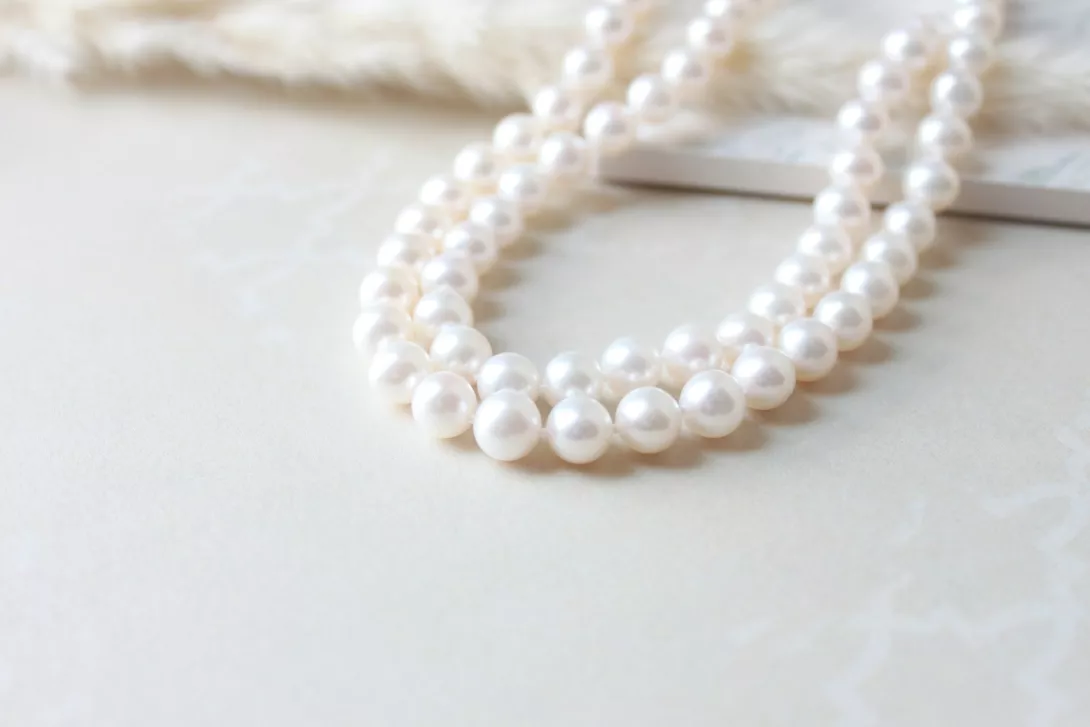
Pearl necklace – June birthstone

Meaning and history

For centuries, natural pearls from the Persian Gulf and the Indian Ocean were among the most coveted treasures. Legend has it that Cleopatra dissolved a pearl in vinegar to win a wager against Mark Antony. In 1917, Pierre Cartier is said to have acquired his Fifth Avenue mansion in New York in exchange for a pearl necklace. In the early 20th century, Kokichi Mikimoto of Japan perfected the cultured pearl, bringing pearls within reach of many more people.

Origins

Japan, China, Australia, Indonesia, the Philippines and French Polynesia for cultured pearls; the Persian Gulf and Sri Lanka for historic natural pearls.

Hardness and care

2.5 to 4.5 on the Mohs scale: pearls are delicate. Put them on last and take them off first: perfume, hairspray and cosmetics dull the nacre. Wipe with a soft, slightly damp cloth, store flat in a soft pouch away from other jewelry, and have frequently worn necklaces restrung regularly. No ultrasonic, steam or chemicals.

The ideal metal

White gold and platinum flatter white and grey pearls; yellow gold enhances golden and cream pearls.

Virtues

Traditionally, the pearl symbolises purity, wisdom and loyalty. Linked to the moon and water, it is also a symbol of femininity and timeless elegance.