A precious stone is…
- mineral;
- formed under very specific conditions and in specific regions;
- a stone whose origin is key to its quality;
- a stone whose natural inclusions are distinct from those of a synthetic;
- usually treated: heating, oiling, irradiation, diffusion. Treatments make stones less rare and reduce their value. This is why SYNAPSIA favours natural, untreated stones, of significantly higher and more lasting value.
Evaluation criteria :
- Beauty:
Transparency, colour, brilliance - Rarity:
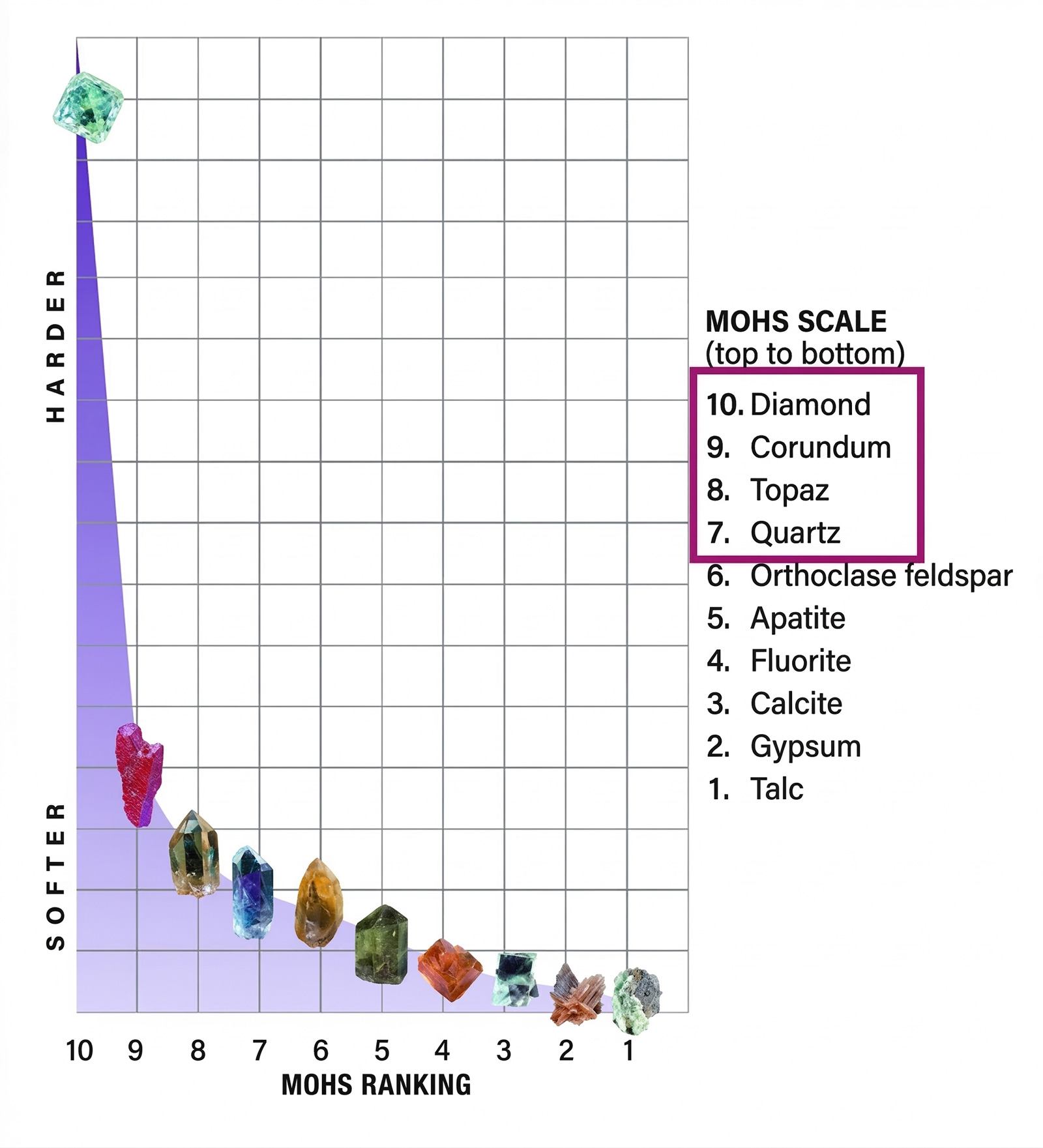
Availability on the market - Hardness & durability:
Global market
Only 2% of rubies are untreated, and unheated rubies are extremely rare.
Size
Usually small, they are rarer than diamonds; clean stones above 3 ct are exceptional.
Colour
The red comes from chromium: the more chromium, the more intense the red.
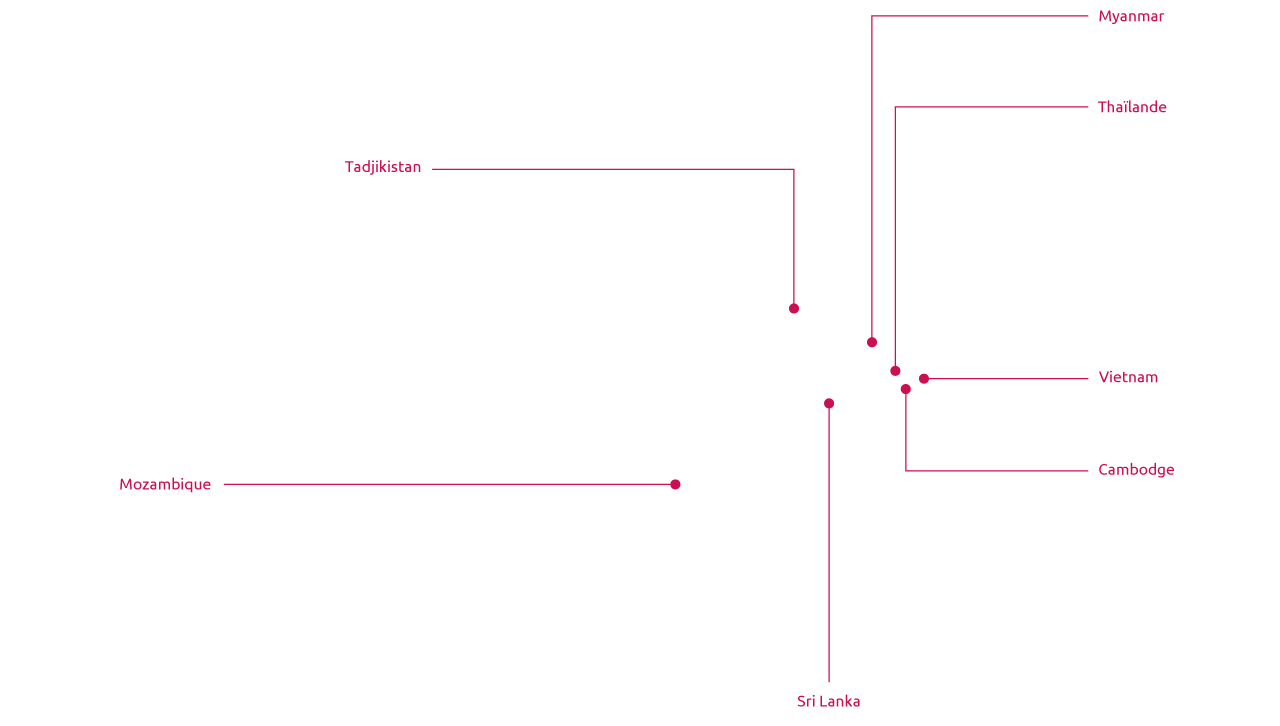
The most sought-after is "pigeon's blood" from Mogok, Myanmar (Burma).
Ruby Mines
Global market:
Only 2% of sapphires are untreated.
Size:
These stones are small in size. Clean stones above 5 ct are extremely rare.
Colour:
Sapphire exists in every colour; blue comes from iron and titanium.
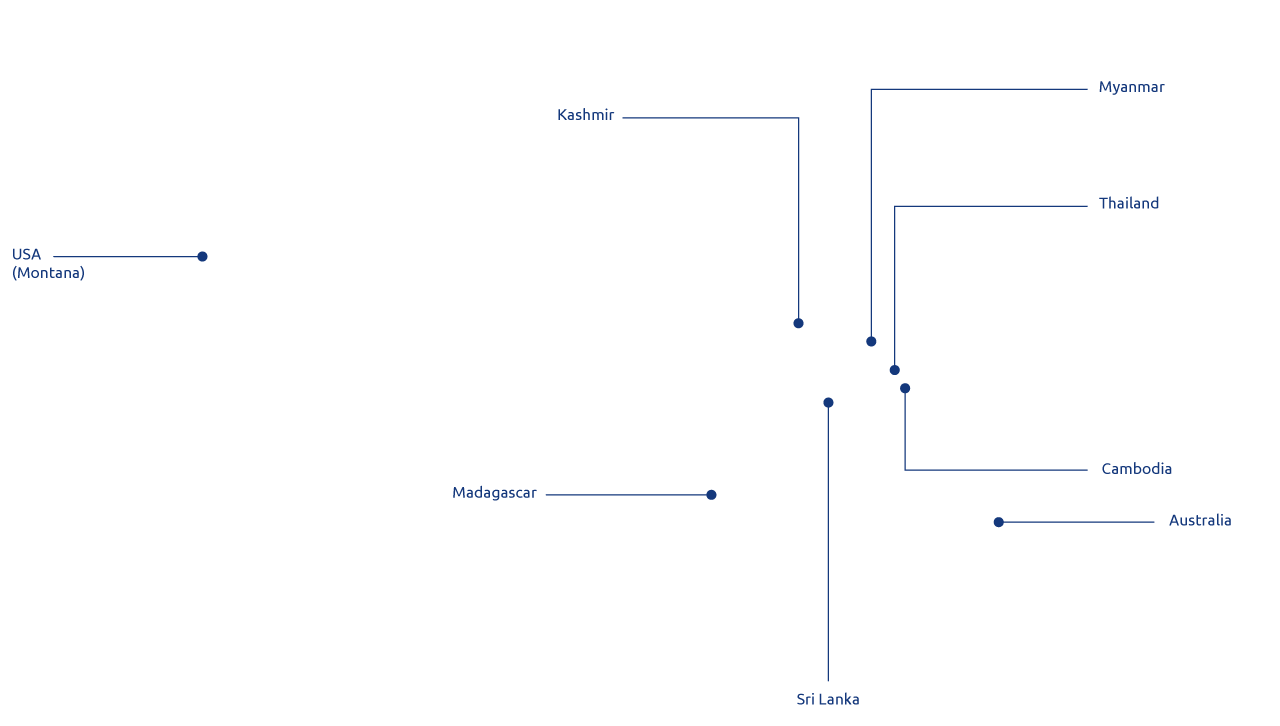
The most sought-after shades are "cornflower blue" and "royal blue", often from Burma.
Mines
Global market:
Almost all emeralds are oiled: only an estimated 1–2% are not.
Colour:
The most precious member of the beryl family, it owes its colour to chromium and vanadium; the deeper and cleaner the green, the more desirable.
Inclusions:
Inclusions are accepted as its fingerprint. The report states the degree of clarity enhancement: "none", "insignificant" and "minor" are the most sought-after.
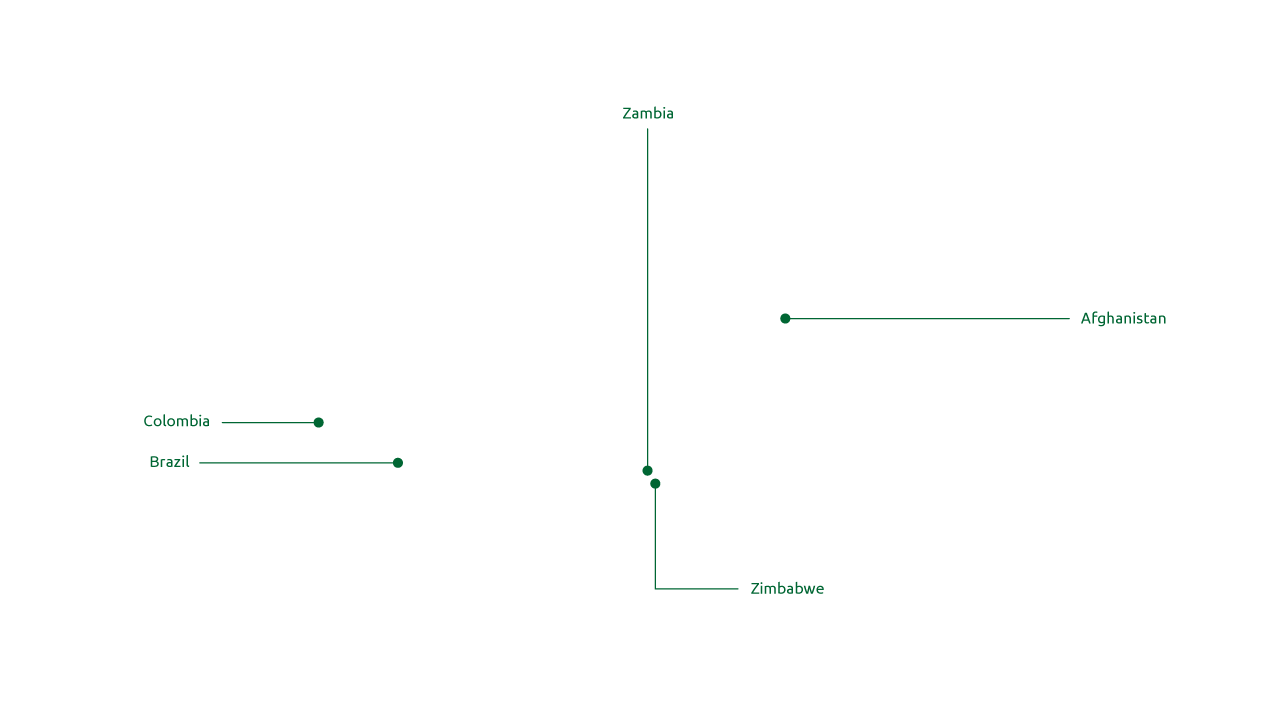
Mines
Carat:
1 ct = 0.2 g, international standard since 1907.
A carat is divided into 100 points: 0.25 ct = 25 points.
Colour:
the more colourless, the rarer.
The scale starts at D (colourless) and continues through the alphabet.
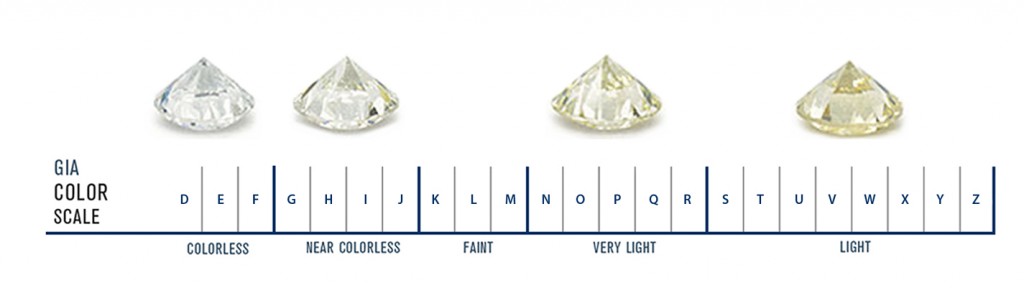
Note: coloured diamonds also exist (Fancy Light Yellow, Fancy Intense Yellow, etc.).
Clarity:
the number, position, size and nature of inclusions.
A diamond is called flawless when no inclusion is visible under 10× magnification.
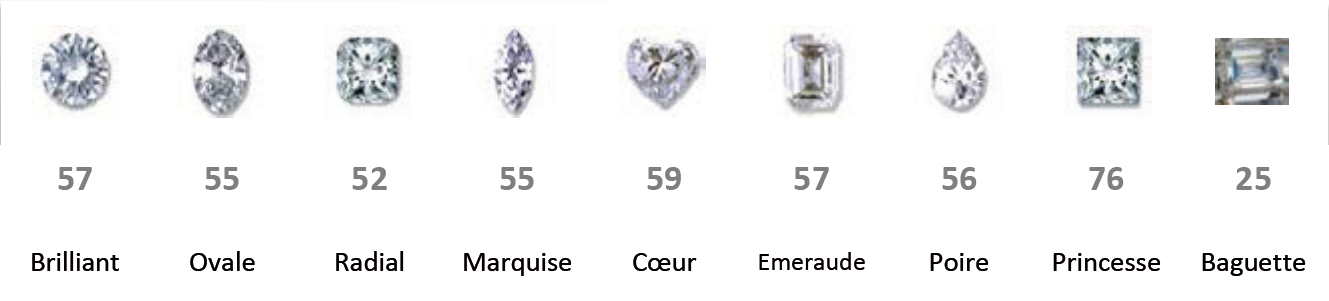
Cut:
proportions, symmetry and polish determine how the stone interacts with light.
Laser inscription:
a number laser-engraved on the girdle matches the report number and makes the diamond easy to identify.
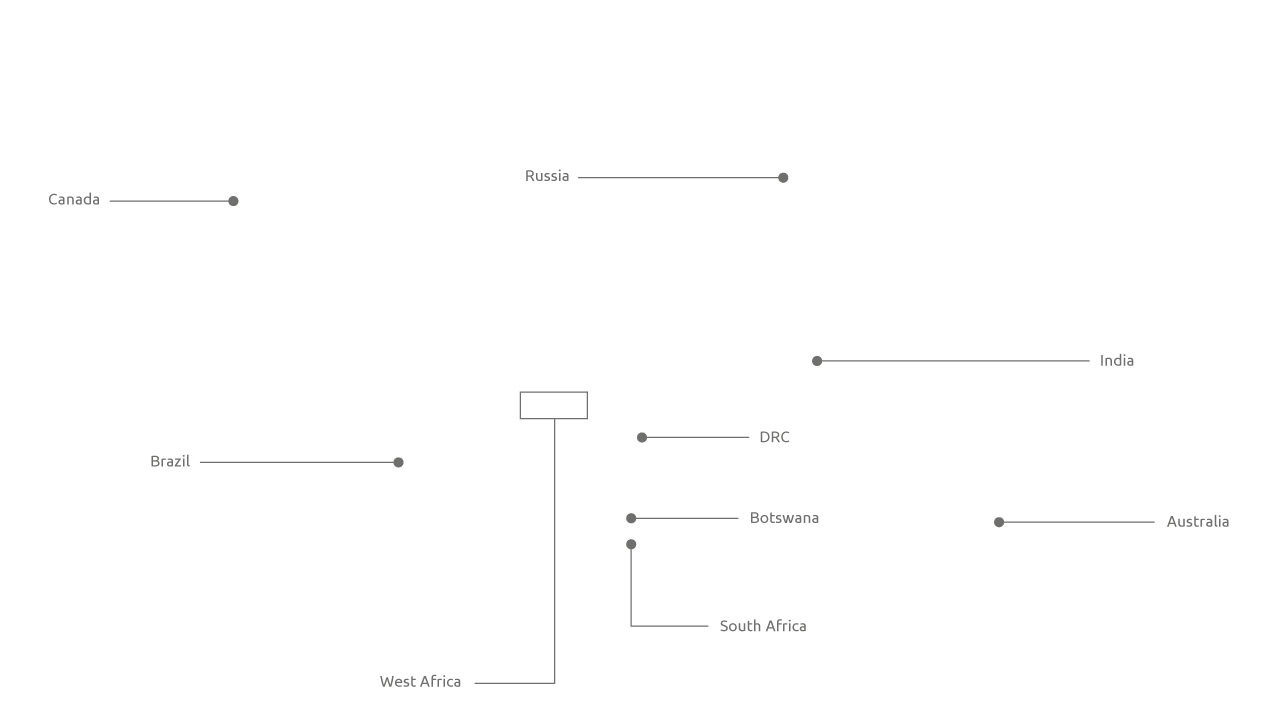
Mines